 Thailand |

Bangkok, 25 November 2025
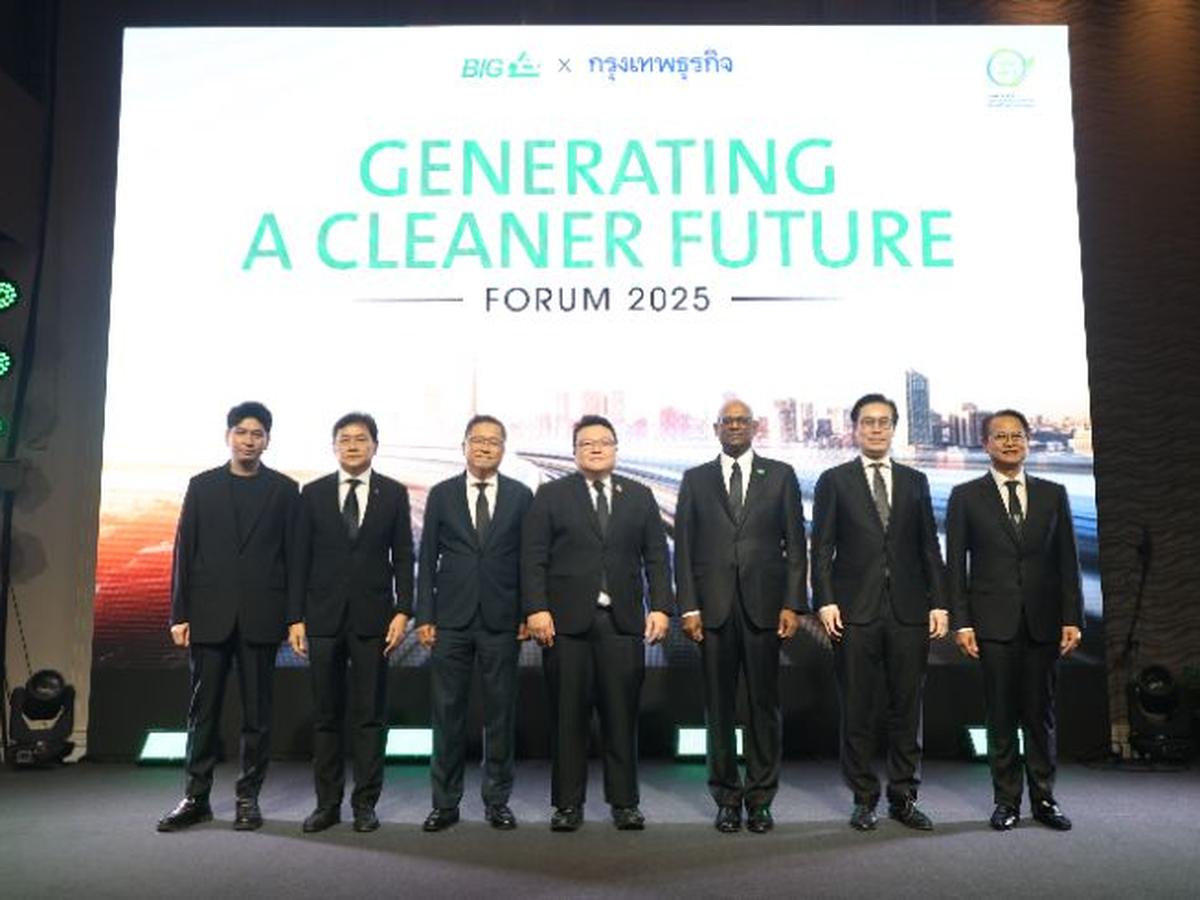
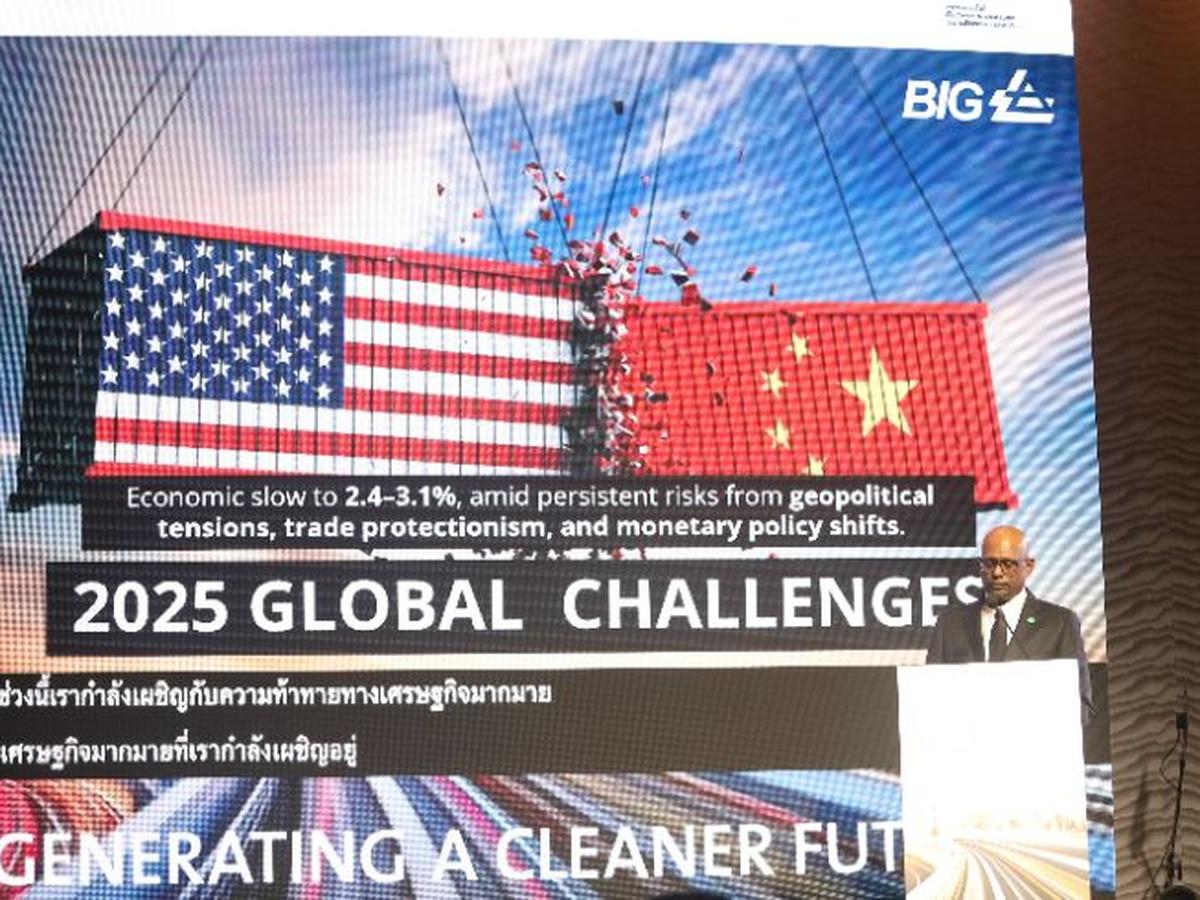
As the world faces major economic challenges, with global GDP growth slowing to 3.1%, Bangkok Industrial Gas (BIG), Thailand’s first and only leader in low‑carbon industrial gas innovations, organized the Generating a Cleaner Future Forum 2025 for the third consecutive year. The forum aims to exchange insights and directions on accelerating Thailand’s industrial transition toward sustainable decarbonization.
The event was honored by the presence of several distinguished guests, including
- Dr. Kittisak Prukkanone, Director of the Division of Strategy and International Cooperation, Department of Climate Change and Environment (DCCE), Ministry of Natural Resources and Environment, and
- Mr. Burin Adulwattana, Managing Director and Chief Economist, Kasikorn Research Center Co., Ltd.
Global Economic Landscape and a Cautious Sense of Hope
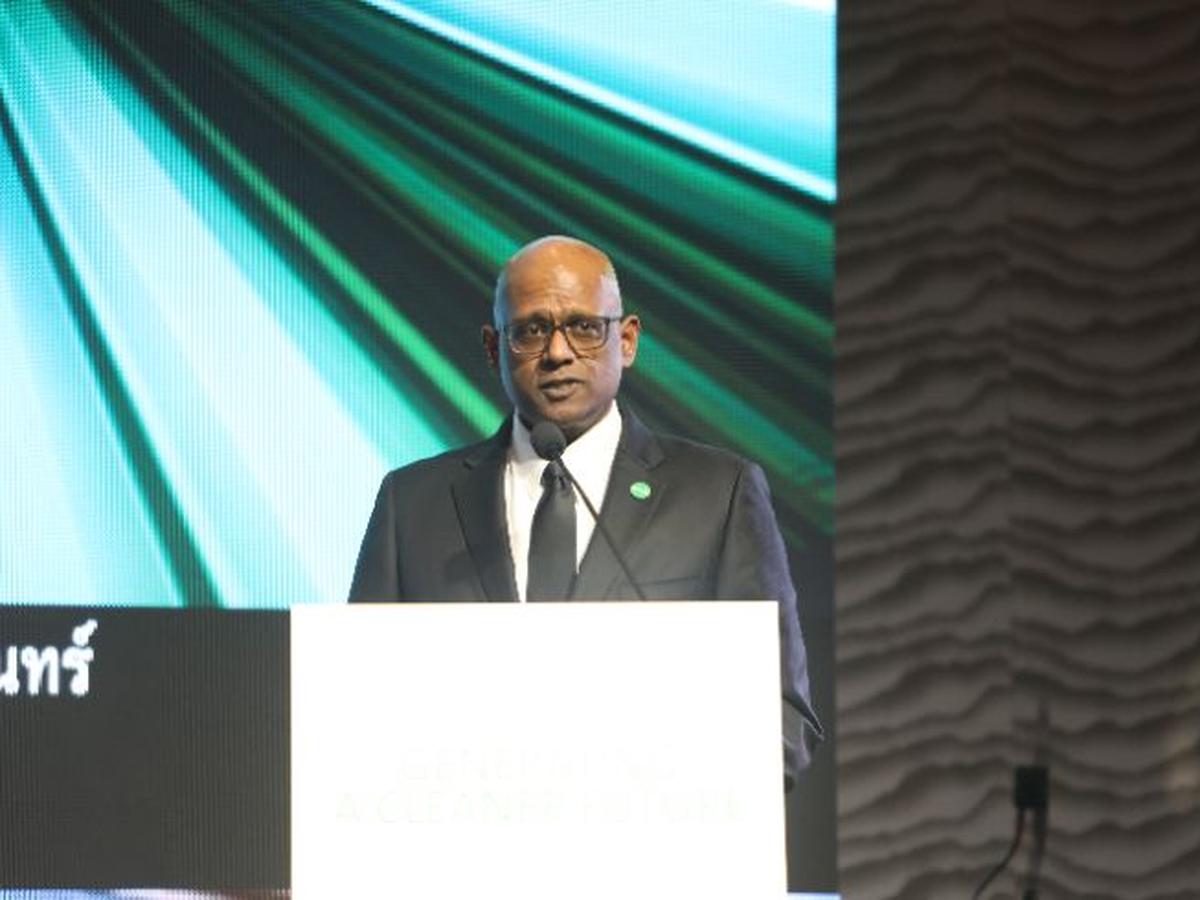
In the opening address titled “Generating a Cleaner Future,” Mr. Ramani Velu, Managing Director of BIG, highlighted the global economic landscape and evolving expectations. He noted that the world is currently experiencing a series of challenges driven by technology rivalries, trade protectionism, and shifts in monetary policy. These include key U.S. foreign policy directions—such as the “America First” approach—withdrawals from certain global agreements, and increasing pressure on traditional allies.
Economic policy shifts are also reshaping the global outlook, including new tariff frameworks, renegotiated trade agreements, energy policy transitions, and intensified competition over rare-earth elements. These dynamics contribute to what he described as a perspective of “cautious optimism” regarding global economic prospects.
Asia’s Energy Transition: Progress and Challenges
Between 2010 and 2024, Asia made notable progress in renewable energy deployment, increasing installed capacity from 0.5 terawatts to approximately 2.6 terawatts. The region has attracted over USD 500 billion in cumulative investment, with Asia-Pacific now accounting for more than 50% of global renewable energy consumption.
However, despite these positive trends, significant challenges remain—especially Asia’s continued heavy reliance on fossil fuels such as coal, and limitations in policy frameworks and infrastructure to support a clean‑energy transition.
BIG’s Commitment: Leading by Example Toward Net Zero
Reinforcing its sustainability ambition, BIG reported that in 2024 alone, its products helped customers avoid 3.5 million tonnes of CO₂e—equivalent to eight times the company’s own carbon footprint. Additionally, 56% of BIG’s revenue now comes from sustainable activities. The company targets a nearly 35% reduction in Scope 1 and 2 emissions, along with a 20% reduction across Scopes 1–3.
BIG’s Sustainability Highlights demonstrate its tangible environmental and social impact:
- Customer use of BIG products reduced GHG emissions by 26% more than the previous year.
- Internal plant operations reduced emissions by over 200,000 tonnes of CO₂e.
- 35% of professional and management roles are held by minority groups.
- Workplace injury cases requiring work stoppage decreased by 69%.
- The company donated THB 1.5 million to support local communities.
BIG’s Sustainability Roadmap
BIG announced its long‑term sustainability roadmap beginning with the 2021 baseline, where carbon intensity stood at 283,000 tonnes of CO₂e per tonne of product. The roadmap includes:
- 2028: Establish CO₂e emission caps aligned with industrial standards
- 2030: Reduce carbon intensity by 36% (excluding hydrogen business)
- 2035: Achieve 152 million tonnes CO₂e voluntary reductions (~60%)
- 2040: Expand the 40% carbon‑intensity reduction across all activities
- 2050: Achieve Net Zero emissions
These commitments underscore BIG’s long‑term ambition to lead Thailand toward a cleaner and more sustainable energy future.
“BIG will drive this transition in Thailand. Low‑carbon innovations can unlock new markets and partnerships. This will help position Thailand as a regional hub for sustainable manufacturing. Being a fast mover—or the first mover—enables the country to attract investment and gain advantages in technology and talent,” said Mr. Ramani.
Strategic Business Ecosystem: Collaboration for a Sustainable Future
Mr. Ramani emphasized BIG’s strategic collaboration with PTT, including the MAP (Map Ta Phut Air Products) plant—the first and only low‑carbon industrial gas production facility in Thailand and Southeast Asia. The presence of this plant demonstrates that BIG is not merely adapting, but actively enabling the transition to a cleaner future.
BIG recently signed an agreement with PTT to establish the second MAP plant, which will expand production of low‑carbon industrial gases.
BIG’s products and solutions support a wide range of industries—including healthcare, food, steel, electronics, automotive, petrochemicals, pulp, and paper—helping them reduce emissions, improve energy efficiency, and maintain competitiveness.
These efforts reflect BIG’s commitment to developing a collaborative business ecosystem, under the belief that “We must take care of the future, so that the future can, in turn, take care of us.”
Share: [Sassy_Social_Share]